What Actually Prevents Re-Trafficking
It’s often something small.
A woman finishes a piece she’s been working on—slowly, carefully, learning each step with her hands. A leather bag. A woven textile. Something useful. Something beautiful. She turns it over, checks the stitching, and for a moment, her shoulders lift just a little.
Someone notices.
Not with surprise. Not with exaggerated praise. Just a quiet acknowledgment that says, This matters. You matter.
These moments don’t look like prevention. But they are.
For a long time, conversations about trafficking have focused on rescue and awareness. Those things are important. But what actually keeps women and children safe long-term is far less dramatic—and far more relational.
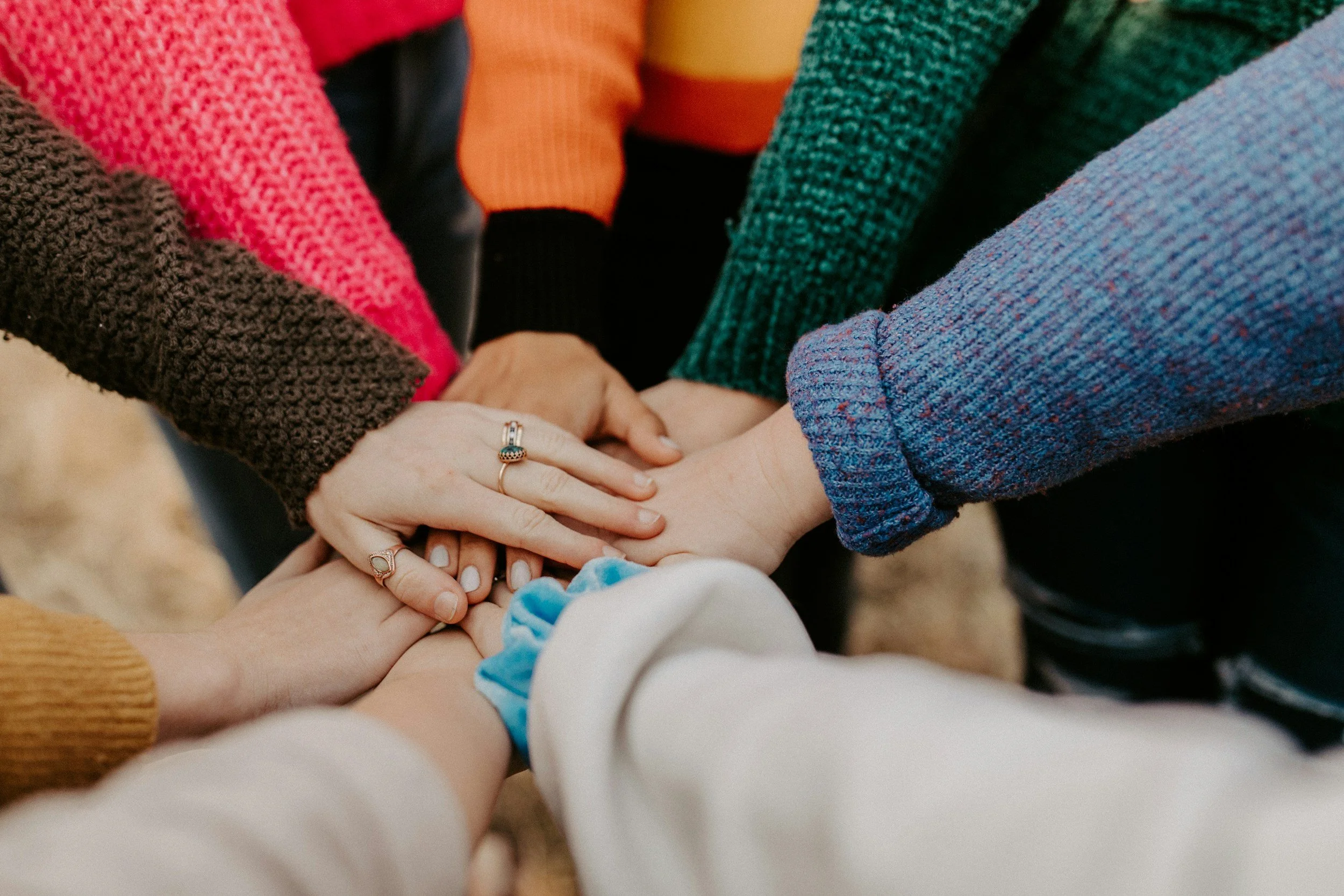
Prevention happens when women are not alone.
Skills matter. Education matters. But what we have learned, again and again, is that relationships matter more.
Healing happens in the presence of people who stay. People who don’t rush progress. People who don’t disappear when growth is slow or complicated. Trust is rebuilt not through grand gestures, but through consistency—showing up, listening, walking alongside.
This kind of relationship creates safety. And safety is what allows dignity to take root.
For women who have lived under control, dignity is not abstract. It is felt in choice. In being trusted with time. In being invited to learn without pressure to perform. Work, then, becomes more than income—it becomes a place where identity is rebuilt without exploitation.
Learning to make something with her hands—something tangible, something she can see and touch—restores more than financial possibility. It rebuilds confidence. Ownership. The quiet belief that I can do this without being used.
But dignity is fragile in isolation.
Without community, even good opportunities can become heavy. Decisions are made alone. Pressure grows quietly. And the weight of providing, healing, and becoming can feel overwhelming.
This is why community matters just as much as skill-building.
Safe relationships—peers, mentors, faith communities—create breathing room. They offer perspective when urgency creeps in. They remind women that they don’t have to carry every decision by themselves.
Belonging creates room to breathe. And breathing room changes everything.
What actually prevents re-trafficking is not a single program or milestone. It’s a web of support that holds when life feels uncertain. It’s education that builds confidence. Coaching that protects agency. Community that offers connection. Work that restores dignity.
This kind of prevention is quiet. It takes time. It requires patience.
But it works.
And it is an honor to witness women step into lives shaped not by urgency or fear—but by relationship, purpose, and hope.